
By Chevi Rabbit, Local Journalism Initiative Reporter
(ANNews) – For Amber Jensen, the overdose crisis is not a statistic. It is personal.
Jensen spent about 12 years as a foster parent, caring for children, many of whom were Indigenous. She says two of the children she cared for died during the opioid crisis. Those losses became a turning point in her life and helped lead her toward advocacy and community work.
“I’m not Indigenous myself, but my children are Indigenous, and I have had many Indigenous children over the years as a foster parent,” Jensen said.
After experiencing those losses, Jensen founded Sweetgrass Youth Alliance, an organization focused on helping system-involved youth bridge the transition between adolescence and adulthood, including young people aging out of care.
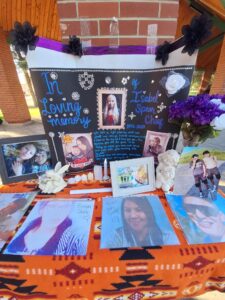
The above photo is reposted from the August 31 Overdose Awareness Day materials.
Her advocacy has also extended to families experiencing the loss of loved ones to the toxic drug crisis. Jensen became involved with Moms Stop the Harm, a national network of families affected by drug-related deaths and substance use.
She also collaborated with people with lived experience on I Am the Opioid Crisis, a book that presents perspectives from different people affected by the crisis, including mothers, sisters and teachers.
For Jensen, changing the conversation around addiction starts with recognizing the people behind the statistics.
“I think people need to understand that marginalized groups and Indigenous people are very overrepresented in the opioid crisis,” she said, adding that she believes racism can be a factor in accessing health care and supports for addiction and mental health concerns.
Jensen also wants to challenge the stigma surrounding people who use drugs.
“I think people need to realize that even though somebody might use drugs, it doesn’t mean that they don’t deserve to have a home and they don’t deserve to have medical care,” she said. “They have human rights just like everybody else.”
Creating connection through culture
At Sweetgrass Youth Alliance, Jensen says cultural connection is an important part of the organization’s programming.
She describes the programs as culturally appropriate and says they have been developed with Indigenous Elders and young people from the community.
One example is the organization’s powwow club, where young people can learn about dancing, drumming and singing. The programming can also include cultural practices such as smudging.
For Jensen, those experiences are about more than learning cultural traditions. “It helps them increase their sense of belonging and their sense of community,” she said.
That sense of belonging is particularly important for young people who have experienced involvement with the child welfare system, Jensen said, as they navigate the transition into adulthood.
Changing the conversation around overdose
International Overdose Awareness Day is recognized annually on August 31. In 2026, the international campaign marks 25 years of the observance with the theme “25 Years On. Still Needed.” The campaign focuses on remembering people who have died, reducing stigma and supporting overdose prevention.
For Jensen, the day is also an opportunity to reconsider how society talks about addiction and harm reduction.
She says Alberta’s current political climate has made the harm-reduction conversation increasingly difficult, and she expressed concern about how that affects people who use drugs and the families supporting them.
“I think the climate and the political climate in Alberta is horrible for harm reduction,” Jensen said.
Jensen called for greater access to a regulated drug supply for people experiencing addiction, arguing that substance use should be treated as a health concern rather than a moral judgment.
“It’s a medical concern. It’s not an ethical or a moral failing,” she said. “It’s a medical concern that needs to be treated as such.”
Recovery Alberta’s current public information describes substance use disorder as a health condition and provides information on reducing harm, treatment and opioid poisoning prevention. Its services include access to addiction treatment and naloxone resources.
Listening to lived experience
Jensen believes some of the most important work is happening at the grassroots level, particularly among organizations led by people who have experienced the crisis themselves.
“There are a few small groups in the communities that I’m aware of that are doing some really good work, and I think we need to support those groups,” she said.
She pointed to groups such as Sage Clan and Street Cats in Calgary as examples of community-based organizations doing work she believes deserves attention.
“The grassroots groups that are led by people with lived experience are the ones that know best,” Jensen said.
For Jensen, overdose awareness ultimately comes back to people: the people who use drugs, the families who lose loved ones, the young people navigating systems and the communities trying to respond.
Twenty-five years after International Overdose Awareness Day began, its 2026 theme recognizes that the need for awareness and action remains. The international campaign states that overdose continues to affect communities around the world while emphasizing that prevention is possible.
For Jensen, remembering those who have died also means asking what can be done differently for those who are still here.

Be the first to comment on "Amber Jensen on Addiction, Loss and Overdose Prevention"