By Chevi Rabbit, Local Journalism Initiative Reporter
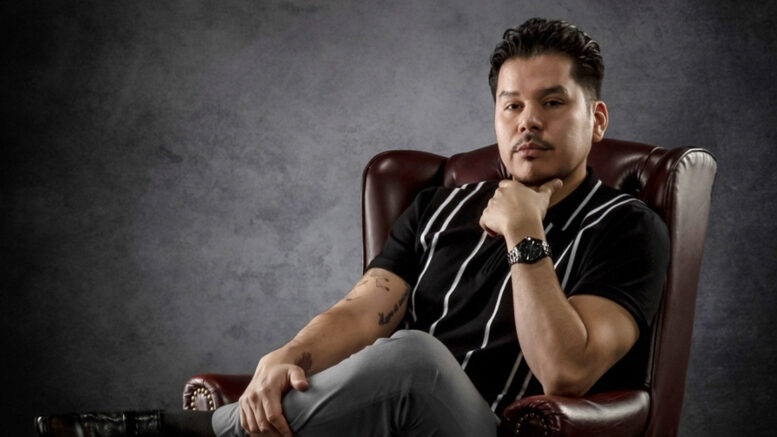
(ANNews) – Bryce Morin has emerged as a powerful voice in Indigenous theatre through his role as Danny in the hit production Bear Grease, a reimagined musical that centres Indigenous storytelling, humour, and identity on stage. For Morin, the work is more than performance – it is purpose, representation, and cultural continuity.
Reimagining a classic through an Indigenous lens
Morin said he was first drawn to Bear Grease while working alongside co-creator Cloud in education, who shared the vision for the project. The concept immediately resonated with him.
“I was instantly drawn to the idea of this alternate universe where colonization never happened,” he said. “It was a chance to share our stories, our songs, our humour.”
He added that growing up, he rarely saw Indigenous people represented on major stages, making the production deeply meaningful.
Morin described the creative process as rooted in cultural reclamation and storytelling. “Decolonization was a process, I guess, that we had in mind, and it’s flourished since then,” he said.
Bringing Danny to life with rez humour and heart
Taking on a character inspired by Danny Zuko, Morin said he focused on grounding the role in his own lived experience and worldview. “I tried to ground him in our world,” he said. “I leaned into rez humour, natural confidence, but also heart.”
He explained that he also drew from his own personality to shape the character. “I kind of took a little bit from my own self too, you know, just the swagger and whatnot, but Danny, a lot like me, we’re just big softies.”
For Morin, the process of indigenizing the role felt natural, blending humour, spirit, and authenticity into the performance.
Rooted in Enoch Cree Nation
Morin credits his upbringing in Enoch Cree Nation with shaping every part of who he is as an artist and storyteller. “Growing up in Enoch shaped everything about me, really,” he said. “Culture, community, storytelling – that was just everyday life.”
He shared that being around the drum, ceremonies, and community teachings helped him develop a grounded sense of identity that he carries into his performances. “That keeps me grounded everywhere I go,” he said.
Before acting, Morin said music was his first creative language. He began singing and drumming at a young age, deeply connected to ceremony and community life.
“That was part of our everyday ceremonies,” he said. “The drumming and the singing was a big part of our ceremonies. So naturally singing would be my first love. That’s where I found my voice.”
He also recalled his older brother introducing him to rap music on cassette tapes, which led him to start creating his own songs at just five years old. “I’ve always had an affinity towards film and acting,” he added. “Once I stepped into that world, everything else fell into place.”
Inspiring future generations through storytelling
Morin hopes Bear Grease continues to inspire Indigenous youth and audiences alike. “I hope it inspires our people, continues to inspire our people, and empowers our youth to show them that anything is possible if you’re willing to put in the work,” he said.
He praised the dedication of the cast and crew, describing them as deeply committed artists constantly refining their craft. “We’re the hardest working Natives I know,” he said. “Even when we’re not on stage, we’re working on other crafts. We’re always plugging away at it, just making the show that much better.”
At the same time, he hopes non-Indigenous audiences walk away with a deeper understanding of contemporary Indigenous identity.
“We’re still here, and our stories are alive, modern, and evolving,” Morin said. “We’re more than just the stereotypical Natives riding on horseback with leathers and feathers. We’re expansive, we’re funny, we’re intelligent, and we’re thriving – but more importantly, we’re human beings too.”
Purpose over pressure
As an Indigenous performer on major stages, Morin said he doesn’t see representation as pressure, but as purpose. “I see it as purpose, you know, not so much pressure,” he said. “I just try to show up with authenticity and respect and an obligation to inspire our next generations.”
Reflecting on his career, Morin said the biggest lesson he has learned is the importance of balance. “It’s important to have balance,” he said. “If you know where you come from, you won’t get lost.”
He added that the entertainment industry can pull artists in many directions, but staying grounded in identity and community is essential. “Personally, I’ve learned that it’s okay to still be figuring things out as you go along,” he said.
Looking ahead
Looking forward, Morin said he is focused on expanding his work in film and television while continuing to grow as a musician and collaborator. “I’m really open to anything right now,” he said. “I’d love to step more into acting in film and TV… and just taking on roles people wouldn’t expect.”
Alongside acting, he continues to explore music and creative collaboration, while building toward future opportunities that centre Indigenous storytelling.
Morin said the most important message he wants to leave with audiences is the power of representation and identity. “Representation, it really does matter,” he said. “We have a generation coming up who don’t even know who they are or where they come from.”
He emphasized the importance of connecting youth back to culture and community, especially in urban environments where those ties can be harder to maintain.
“To find out who you are, you gotta know where you come from,” he said. “If I can meld traditionalism into modern-day arts, that’s a small step towards identity.”

Be the first to comment on "Bryce Morin: Representation really does matter – we’re still here, and our stories are alive"