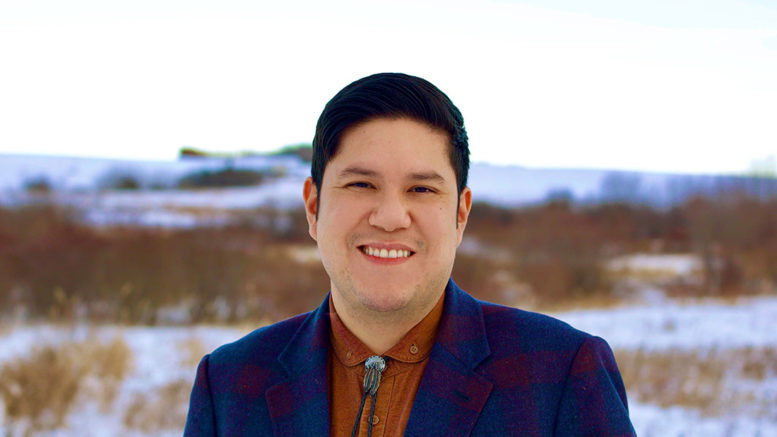
The Edmonton-West Henday MLA says First Nations treaty rights, sovereignty and the Crown’s ongoing obligations must remain central to Alberta’s separatism debate.
By Chevi Rabbit, Local Journalism Initiative Reporter
(ANNews) – As Alberta’s separatism debate continues, NDP MLA Brooks Arcand-Paul says promises of better treaty negotiations through separation raise serious questions about the future of First Nations’ rights and relationships with the Crown. Arcand-Paul, who represents Edmonton-West Henday, said the political discussion must consider the perspectives of Indigenous Peoples and the longstanding treaty relationships that predate Alberta becoming a province.
For him, the issue extends beyond a potential referendum. It concerns whether First Nations’ rights will be respected, how Indigenous communities will be included in decisions affecting their future and whether existing treaty commitments will continue to be honoured.
“Our Elders, my knowledge keepers, the people who have taught me about treaties, have always said that we do not renegotiate our treaty,” Arcand-Paul said. “Our treaty will last as long as the sun shines, the grass grows and the rivers flow.” Some supporters of Alberta separation have suggested that independence could create opportunities to negotiate new arrangements with First Nations. Arcand-Paul questioned whether such promises align with the rhetoric some separatist supporters use when discussing Indigenous Peoples and their leadership.
“Coming at it, particularly from the separatist side, is the idea that we will get better negotiations, that we will get better treaties if we go forward with separatism,” he said. “On the other side of the coin, those same people online are sharing that people will get a better treaty or any other right. At the same time, they preach negative things about Indigenous people, saying that we only really stand up because we want more dollars, that the Chiefs are captured and are in it for their own personal gain.” He said the contrast between promises of better treaty negotiations and criticism directed at Indigenous leaders raises concerns about the intentions behind those promises. “When you couple those things together, it really makes you question what intention they might have, even if they are deceptive in this referendum,” he said.
His concerns come amid wider questions about accountability and trust in arrangements involving First Nations, including legal disputes connected to Alberta lawyer Jeffrey Rath, who has represented First Nations in litigation and has also become associated with the province’s separatist movement. In an investigation published Oct. 8, 2026, Global News reported that two U.S.-based litigation funders had sued Rath for $112.56 million, alleging misleading representations related to funding for First Nations litigation. The allegations have not been proven in court and should not be treated as established findings.
For Arcand-Paul, the central question remains whether the promises made during the separatism debate would protect First Nations’ existing rights and relationships. “I really don’t see any opportunity for a treaty or negotiated agreement because the writing is on the wall,” he said. “They already have expressed how they feel about our people, and it’s not good.”
Arcand-Paul’s assessment reflects his perspective as an NDP MLA. The broader questions about treaty rights, provincial jurisdiction and the potential consequences of Alberta separation remain significant considerations for First Nations as the debate continues. He said the teachings he received from Elders and knowledge keepers shaped his understanding of treaties as enduring relationships rather than agreements that can simply be reopened when political circumstances change. “I have hardly seen any of our people buy into the idea that we will go forward with separatism and that we will renegotiate our treaty,” he said. “There may be some that aren’t connected or don’t have those teachings yet, but I do remain hopeful that we are having this conversation.”
Arcand-Paul said the debate also provides an opportunity to discuss treaties in the context of future generations, not only as historical agreements. “We are talking about treaty in this regard, not only in a historical context, but in a future context on how we look forward to the next generation that are yet to be born,” he said. He also emphasized the importance of remaining connected to Indigenous teachings and protecting treaty relationships as political discussions continue. “We need to stay strong, we need to persevere, and we need to protect our treaty at all costs,” Arcand-Paul said.
As Alberta debates its political future, Arcand-Paul argues that treaty relationships cannot be treated as an afterthought. Any discussion about separation, he says, must also address the future of existing treaty obligations, the recognition of First Nations sovereignty and the protections owed to generations to come.

Be the first to comment on "NDP MLA Brooks Arcand-Paul warns against promises of better treaties through Alberta separation"