
By Chevi Rabbit, Local Journalism Initiative Reporter
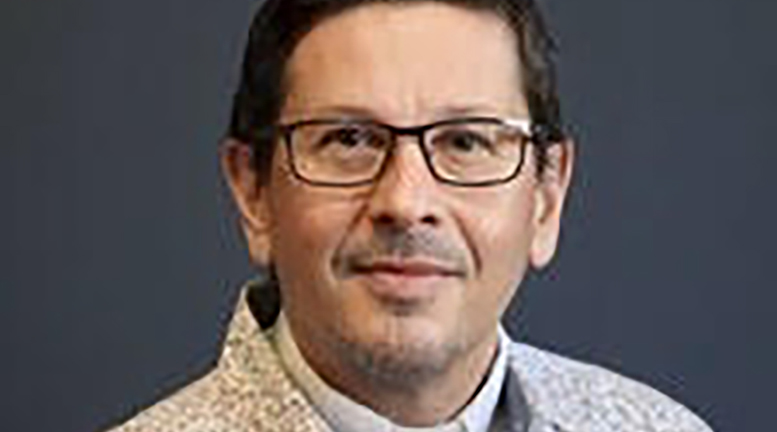
(ANNews) – “You can’t respect something if you don’t know what it is,” said Indigenous Anglican priest Travis Enright, reflecting on the role of education in reconciliation. A member of James Smith Cree Nation in Saskatchewan and rector of St. Faith’s Anglican Church in Edmonton, Enright said reconciliation means more than remembering the history of residential schools. It also means helping newcomers understand their relationship to the land, teaching young people about Treaty and ensuring Indigenous communities could tell their own stories.
An Orange Shirt Day and Truth and Reconciliation gathering took place Saturday, September 26, at the Borden Park Band Shell in Edmonton. The event brought together ceremony, cultural performances, storytelling and a community barbecue, creating space for people to learn about Indigenous experiences while celebrating cultural resilience and survival.
“I think it’s a story of empowerment,” Enright said. “It’s a story of understanding that new Canadians keep on coming in, and we can control the narrative of our story around the residential school experience for Indigenous populations.”
For Enright, reclaiming that narrative does not mean minimizing the atrocities committed in residential schools. Instead, it means ensuring Indigenous people are not defined solely by trauma but also recognized for their strength, persistence and continued presence. “The story is that horrific things happened in these residential schools,” he said. “But the story that can come out of this is that our people are resilient. We’re still here, and we will continue to animate our story to our generations to come.”
Enright also wants newcomers and people who had lived in Canada for years to understand the history through the experiences of children. He said sharing stories could help people see the human impact of residential schools while recognizing Indigenous communities’ ability to shape how their histories were remembered. “That this genocide happened to children,” he said, emphasizing the importance of helping people connect with that history.
The gathering began with a Pipe Ceremony led by an Elder, followed by storytelling and cultural performances featuring traditions from different Indigenous nations. The program included drumming, dancing and stories of survival, resistance and persistence. Performers from the Amazon and other Indigenous nations participated, reflecting the diversity of Indigenous cultures and experiences.
“If we are a four-direction people, and we know that this land is meant to be hospitable to all peoples, then we have to hear the stories of different nations,” Enright said.
A community barbecue, featuring 300 hamburgers available on a first-come, first-served basis, rounded out the gathering. Enright said the event was intended to educate while giving people an opportunity to come together through culture, storytelling and community.
“If you’re uplifted and you’re motivated, then you care more,” he said. “And so if this event is about caring and expressing a story, then that’s kind of the mechanism that we want to do that in.”
For Enright, the long-term goals extend beyond a single day of cultural performances. He wants newcomers to understand that arriving in Canada means becoming part of an existing Treaty relationship, bringing responsibilities to learn about its history, the land and Indigenous peoples.
Enright said newcomers become “treaty people” when they arrive on the land. Understanding that relationship requires education about the treaties and the responsibilities that came with them. “There is an educational component to that,” he said. “There is a historical relationship part of that. There is understanding what it means to be in relationship with the land specifically.”
That relationship, he said, should not be understood simply in terms of what people received from the land. “You’re not just coming here to take from the land, but you’re here to contribute to the fullness of what it means to be a person of treaty,” he said. Enright describes Treaty as a relationship based on living together in “balance and benevolence,” adding that people could not respect a relationship they did not understand.
He said education needs to reach younger generations so children can recognize their responsibilities to Indigenous peoples and understand the shared relationships that connect them through Treaty. “How then do we educate in a way that will affect the young minds?” he asked. “So that’s why we start off with children.”
“If children can see themselves as contributors to treaty, then they will be contributors to Indigenous populations,” Enright said. He hopes that understanding will also help young people recognize the histories behind residential schools and the child welfare system, rather than judging Indigenous people without understanding the experiences and policies that shaped their lives.
For Enright, reconciliation involves more than acknowledging painful history. It also means uplifting Indigenous communities, supporting their right to tell their own stories and helping future generations understand their responsibilities to the land and one another. The September 26 gathering brought those goals together through ceremony, cultural expression and storytelling, emphasizing that Indigenous people remained here, continued to carry their histories forward and had the right to shape how those histories were understood.

Be the first to comment on "Travis Enright: Reconciliation Begins With Understanding Our Treaty Relationships"