By Chevi Rabbit, Local Journalism Initiative Reporter
(ANNews) – “We come from two different worlds, and I wanted to bring those worlds together and create something people could be proud of.”
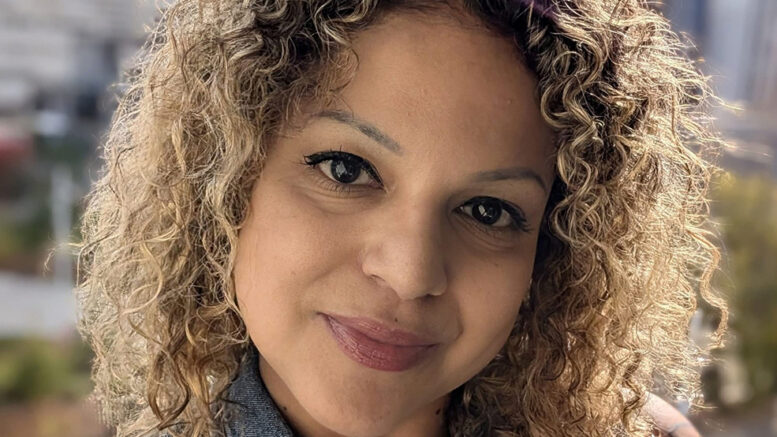
For Rhea Fraser, creating ribbon skirts is about more than sewing. It is about celebrating Afro-Indigenous identity, finding healing through grief and encouraging others to embrace who they are. A proud Afro-Indigenous woman who is half Cree and half Jamaican, Fraser is originally from Saddle Lake Cree Nation in Treaty 6 territory. What began as a personal love for ribbon skirts eventually developed into a business centred on cultural pride, representation and belonging.
Fraser received her first ribbon skirt as a birthday gift when she was around 33 years old. Her interest in creating the garments deepened after reading a prominent Edmonton story about discrimination involving ribbon skirts, prompting her to reflect on representation and how she could contribute through her own creativity.
“There’s really not much representation for mixed Native people. We can feel like we’re outcasts because we’re mixed,” she said.
Growing up in a multicultural family of seven children, Fraser spent years trying to understand how to describe her identity. Her family included different cultural backgrounds, but finding a label that reflected her own experience took time. “When I was younger, I experienced a big cultural shock because I didn’t know I was Black until I was five,” she said.
Throughout her life, she questioned where she belonged. “Am I Black? Am I Native? Am I Black? What is the word for who I am? What label do I use?” It was not until her late twenties that she embraced the term Afro-Indigenous. “I love it, and it stuck,” she said.
Since then, others with similar backgrounds have reached out to her, sometimes discovering the term for the first time. Fraser wants people to understand that they can celebrate both sides of their heritage without feeling they must choose one over the other. Through her designs, she hopes to help mixed-identity people feel seen, understood and proud of their backgrounds.
Fraser grew up on Saddle Lake Cree Nation and has lived in Edmonton for approximately 22 years. Her experiences in both communities have shaped her understanding of acceptance and belonging. She said it took time to feel accepted growing up as a mixed person, particularly when there were fewer people with similar backgrounds around her.
“As a mixed person, you have to prove that you’re Native. You have to prove that you’re Black, Asian or whatever your background might be,” she said. Living in an urban environment has offered a different perspective, while her continued connections to reserve life help her understand the challenges people face in both settings. “I feel like I’ve learned to fit into both worlds now,” she said.
Her creative journey has also been shaped by personal loss. Fraser experienced the deaths of family members, including two siblings, within a short period. During that difficult time, sewing became a way to process her grief and focus her energy on something meaningful. “Sewing helped me with my grief,” she said.
“There’s something powerful about putting love and good energy into your work, and that really, really helped me through those experiences.” For Fraser, creating ribbon skirts has become more than an artistic pursuit. It offers a way to channel difficult experiences into something positive while expressing the different parts of who she is.
Like many independent artists, Fraser faces challenges from rising supply costs, inflation and fierce competition. After a strong sales year, business slowed, prompting her to adapt by focusing more on custom orders while balancing another job.
Her advice to aspiring Indigenous and Afro-Indigenous entrepreneurs comes from her own experience overcoming self-doubt. “When I started, I’m like, ‘I don’t think I’m good enough,’” she said, describing the imposter syndrome she experienced early in her journey. She spent approximately six months practising before beginning to sell her work, determined to develop her skills.
“If you feel like there’s something there and you have creativity to share, then do it,” she said. Fraser encourages aspiring entrepreneurs to practise their craft, promote their work and not let fear of criticism stop them from pursuing their goals.
Despite experiencing racism both on and off reserve, Fraser also encourages people to remain optimistic, treat others with respect and stay true to themselves. “This world has been good to me, and it’s been bad,” she said.
She recognizes that discrimination remains a reality, but believes people can continue moving forward without allowing negative experiences to define them. “Try to be optimistic in this world and treat people the way you want to be treated,” she said.
Through her ribbon skirts, Fraser celebrates Afro-Indigenous identity while encouraging others to find confidence in their own stories. Her message extends beyond entrepreneurship: embrace who you are, keep creating through difficult times and do not let self-doubt prevent you from discovering what you can achieve.
“Discrimination is literally going to always be there, no matter what,” she said. “But try to stay positive and be true to yourself.”

Be the first to comment on "Rhea Fraser finds identity, healing and belonging through ribbon skirt creations"