By Chevi Rabbit, Local Journalism Initiative Reporter
(ANNews) – Alberta is building a vibrant Indigenous tourism sector, with experiences ranging from Métis Crossing and River Cree Resort and Casino to evening markets and immersive cultural performances. Travel Alberta, which co-hosted the 2026 International Indigenous Tourism Conference, is supporting operators and promoting the province as a destination for Canadians and international visitors.
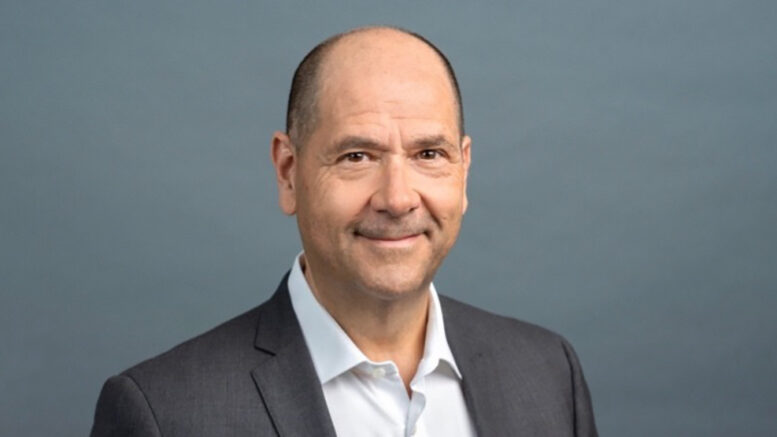
Terry Goertzen, Vice President of Indigenous Relations and Economic Development at Travel Alberta, brings extensive public service experience, including work with Indigenous Services Canada and serving as Deputy Minister of Tourism, Culture, and Sport in Manitoba. He said this experience informs Travel Alberta’s approach to Indigenous tourism and economic development.
Investment and Support
Goertzen explained that Travel Alberta has invested more than $13.5 million to support Indigenous tourism operators and Indigenous Tourism Alberta (ITA), the provincial organization that develops and promotes Indigenous tourism.
“With that $13.5 million, you see experiences like Métis Crossing, Painted Warriors and Warrior Women. We’ve also supported Enoch Cree’s Night Market.”
He added that staff work closely with ITA to provide direct support to operators across the province. These combined efforts have helped create Indigenous tourism experiences across Alberta, from north to south, spanning all three treaty territories.
Economic Impact
Alberta’s Indigenous tourism sector continues to grow and shows national significance. Goertzen said the province aims to lead Canada in providing authentic Indigenous experiences over the next five to 10 years for the international audience and for Canadians.
He also described recent growth in the sector. He said, “We’ve seen growth in the last number of years where we’ve had the second-largest GDP impact that Indigenous tourism has had, the second-largest GDP impact to the sector compared to other provinces.”
This position is supported by data from The Conference Board of Canada: in 2023, Alberta’s Indigenous tourism sector contributed $635.3 million in total GDP impact, second only to Ontario ($1,116.9 million) and ahead of British Columbia ($559.3 million). (indigenoustourism.ca
Moreover, broader provincial tourism growth reinforces this trend. According to Travel Alberta, Alberta’s visitor economy reached $15.2 billion in tourism spending in 2025, growing faster than all other major provinces. Goertzen emphasized Indigenous tourism’s role in driving this growth.
“To be clear, $15.2 billion is a remarkable number for Alberta, growing faster than all other major provinces,” he said. “And again, we think one of the major contributors that is fueling that growth is Indigenous tourism.”
Challenges for Operators
Despite this growth, tourism operators – the individuals, businesses, and organizations that create, manage, and deliver tourism experiences for visitors – face hurdles in marketing, accessibility, and funding.
Goertzen described these challenges: “In my conversation with Indigenous tourism operators across the province, many of them just are not getting the kind of exposure for their experience that they need to grow. A core challenge is marketing and creating access to their experience, because sometimes it’s quite remote.”
He also explained transportation and other limitations: “Some of it is just transportation issues so that a tourist can easily come and go from there.”
Regarding skills and funding, he added: “Quite often I hear from operators that they’re lacking the marketing experience or the website development. They also have funding challenges. We at ITA are working hard at addressing those.”
Learning from the International Community
The 2026 International Indigenous Tourism Conference held in Edmonton last month offered lessons from international peers. Goertzen said: “What impressed me was the international presence at the conference, and some of the best practices I observed from meeting with operators and understanding how they built their products and engaged their communities. That was really one of the strong things I took away from the conference.”
He noted the importance of networking. “I also met a lot of people in the industry, many I had not met before, and it was an incredible opportunity to build the network and my own understanding of who’s doing great things in the industry.”
Looking ahead, Goertzen emphasized expanding authentic experiences across the province. Over the next few years, the industry could expand to include “more authentic Indigenous experiences like we see at Enoch Cree, Metis Crossing, Blackfoot Crossing,” he said. “That we increase those opportunities and those experiences, so that eventually people who are traveling from international cities will really start to see Alberta tourism as a destination. I am hoping that by working with ITA, with operators, making investments, that we can grow this industry so that it becomes iconic for Indigenous tourism all over the world.”
Experiences such as Métis Crossing, Black Bear Crossing, and Enoch Cree highlight Alberta’s vibrant Indigenous cultural landscape and offer unique, international-quality experiences. Travel Alberta, Explore Edmonton, Indigenous Tourism Canada, and Indigenous Tourism Alberta, were among the partners that hosted the 2026 International Indigenous Tourism Conference, reinforcing Alberta’s role in shaping the future of Indigenous tourism in Canada and beyond.

Be the first to comment on "Alberta’s Indigenous Tourism: Growth, Challenges, and Future Vision"