By Chevi Rabbit, Local Journalism Initiative Reporter
(ANNews) – The Confederacy of Treaty No. 6 First Nations is raising serious concerns about Canada’s proposed reforms to accelerate the approval of major projects across the country, warning that increased speed cannot come at the expense of Treaty rights, environmental protections, and Indigenous decision-making authority.
The proposed reforms, outlined in Canada’s May 8, 2026 discussion paper, Getting Major Projects Built in Canada, would reshape how major projects are assessed, consulted on, and approved throughout Canada, including within Treaty No. 6 territory. While Treaty No. 6 Nations say they are not opposed to responsible development, they emphasize that they must be recognized as governments, Treaty partners, and rights holders in decisions affecting their lands, waters, and future generations.
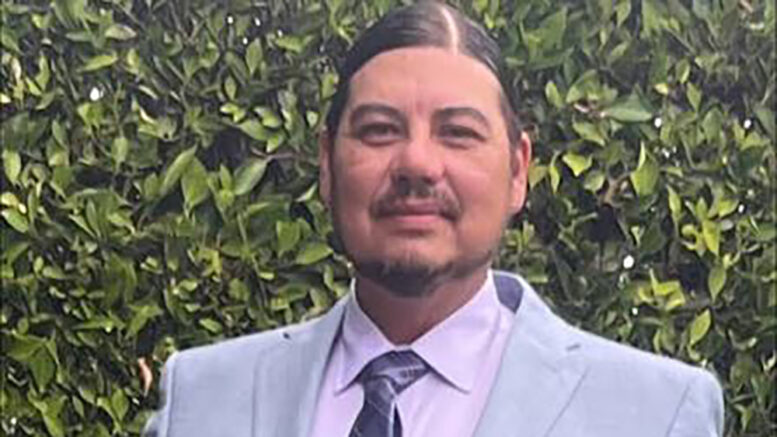
“Treaty No. 6 Nations are not stakeholders in a project schedule. We are rights holders, Treaty partners, and governments,” said Grand Chief Joey Pete of the Confederacy of Treaty No. 6 First Nations. “Canada cannot build a stronger economy by weakening the Treaty relationship. We must be at the table as governments, from the beginning, not consulted after the direction has already been set.”
The proposed federal changes would reduce federal project review and decision-making timelines to one year, increase coordination with provincial regulatory systems such as Alberta’s Bill 30, consolidate federal approvals, establish Federal Economic Zones that could pre-approve development, and potentially allow construction to begin before impact assessments are complete.
Treaty No. 6 leaders say these changes create concerns that project timelines and economic priorities could take precedence over Treaty obligations, environmental stewardship, and the principle of free, prior, and informed consent. The Confederacy argues that Canada’s assurance that the duty to consult will remain unchanged is not enough if the process itself limits meaningful participation.
A shortened review timeline, they say, could pressure officials to rush technical assessments, reduce opportunities for engagement, and turn consultation into a procedural requirement rather than a meaningful partnership. The Confederacy emphasized that consultation has little value if First Nations are only brought into discussions after decisions and development pathways have already been established.
Treaty No. 6 leadership says Canada’s history shows the risks of prioritizing speed over Indigenous rights and environmental protections. The Confederacy pointed to previous attempts to weaken environmental review processes to fast-track resource projects, saying those approaches contributed to conflict, legal challenges, environmental concerns, and delays.
“Canada cannot move forward by repeating the mistakes of the past,” the Confederacy stated. “Any process that weakens protection for water, fish, medicines, wildlife, harvesting areas, sacred sites, and cultural landscapes is not reconciliation.”
The Confederacy of Treaty No. 6 First Nations is calling on Canada to meet directly with Treaty No. 6 Chiefs and leadership before introducing any legislation, provide adequate capacity funding so First Nations can participate meaningfully, recognize First Nations-led environmental and cultural assessments with equal authority, and ensure free, prior, and informed consent is treated as a requirement rather than a goal.
The organization is also calling for no weakening of the Species at Risk Act and is urging Canada to pause any legislative or regulatory changes that could undermine Treaty rights, reduce federal oversight, or limit meaningful consultation until reforms are co-developed with First Nations.
“Our Nations must be full decision-makers from the start, not invited into a process after Canada and industry have already decided the path forward,” said Grand Chief Pete. “There can be nothing for us, without us.”
The Confederacy of Treaty No. 6 First Nations says the future of development must be built through partnership, respect for Treaty relationships, and protection of lands, waters, and responsibilities to future generations.
For as long as the Sun shines, the Grass grows, and the Waters flow.

Be the first to comment on "Treaty No. 6 First Nations Raise Concerns Over Canada’s Proposed Fast-Tracking of Major Projects"