
by Chevi Rabbit, Local Journalism Initiative Reporter
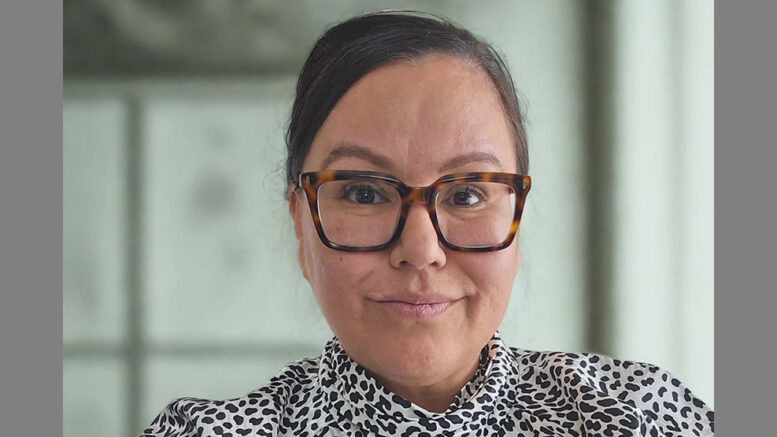
(ANNews) – On Treaty 6 territory in Edmonton, Sherry Greene – known as Night Lodge Woman – is building more than a business. As the founder of Askiy-Eco Distribution, Greene is advancing an Indigenous-led model of sustainability grounded in Cree teachings, lived experience, and a long-term vision for economic reconciliation.
Greene is from Samson Cree Nation in Maskwacis, Alberta, where she spent much of her early life on reserve and attended residential day school in Ermineskin Cree Nation. Like many Indigenous survivors, her childhood was shaped by trauma, including abuse and bullying. Rather than allowing those experiences to define her future, Greene says they strengthened her resilience through mâmawi-kiskinwahamâtowin – learning together through lived experience.
At just 18 years old, Greene left the reserve as a single mother, determined to create a safer and healthier life for her child. That decision marked the beginning of a long journey of healing, sobriety, and self-discovery – a journey that would eventually lead her back to the land and toward entrepreneurship.
“As a Cree woman, the land is my teacher,” Greene says, referencing the teaching nihtâwîhcikan. “My connection to my Nation, our Elders, and our territory continues to guide everything I do.”
That guidance became the foundation for Askiy-Eco Distribution. Inspired by her healing journey and reconnection to the Earth, Greene pursued education in environmental technologies, deepening her understanding of sustainability and responsibility. The result was a business rooted not only in environmental solutions, but in Indigenous values.
“Askiy means ‘Earth’ in Cree,” Greene explains. “It reflects our relationship with the land as a living being, not a resource, and our responsibility to future generations.”
Askiy-Eco Distribution supplies compostable and biodegradable food-service packaging – including containers, cups, lids, and take-out solutions – helping organizations reduce plastic waste while honouring askiy-pimâtisiwin, living in balance with the Earth. But Greene’s work extends beyond products; it represents a shift in how business can be done.
Her business philosophy is grounded in wahkohtowin, the Cree principle of kinship and relational responsibility. For Greene, this means operating with respect for people, community, and the environment, while thinking far beyond short-term profit.
Indigenous businesses, she says, bring something essential to Canada’s sustainability efforts. “Our teachings are rooted in kistêyihtamowin – respect – and pimâtisiwin, a good life. Sustainability has always been part of our way of life.”
The path to entrepreneurship has not been without barriers. Greene faced limited access to capital, systemic bias, and the challenge of being underestimated as an Indigenous woman. She also navigated personal struggles connected to trauma and addiction. Through healing, education, mentorship, and sâkihitowin – love and compassion – she transformed those challenges into sources of strength and leadership.
Today, Greene is a certified member of the Canadian Council for Aboriginal Business and actively engages with Indigenous entrepreneurship networks. These relationships, built on mâmawi-wîcihitowin – working together – support Indigenous procurement and community-based economic development.
Measuring success, for Greene, goes beyond revenue. Environmental impact includes reduced plastic waste and increased use of compostable alternatives, while social impact is reflected in representation.
“Showing Indigenous women and survivors that entrepreneurship is possible is powerful,” she says. “When business is grounded in miyo-pimâtisiwin – living a good life – it becomes a tool for change.”
Looking ahead, Greene plans to expand Askiy-Eco Distribution across Western Canada, strengthen Indigenous and government partnerships, and contribute to Indigenous-led sustainability initiatives. Her long-term vision includes Indigenous manufacturing, job creation, and advancing economic reconciliation grounded in wahkohtowin and respect for the land.
For Greene, entrepreneurship is not just about building a company – it is about restoring balance, reclaiming responsibility, and creating a future rooted in Indigenous knowledge, resilience, and hope.

Be the first to comment on "Rooted in the Land, Leading with Purpose: Sherry Greene’s Vision for Indigenous-Led Sustainability"